
Rock Yoga Offerings
Virtual Classes:
On-Demand Classes: Find your Zen on your own time with our on-demand yoga classes. Flow through poses, meditate, and rejuvenate whenever and wherever you choose. Elevate your practice and embrace tranquility with ease.
Live Virtual Classes: Immerse yourself in our live stream yoga sessions. Connect in real-time for dynamic flows, personalized guidance, and a sense of community, all from wherever you are all from the convenience of your own space. Whether you're a beginner or an advanced yogi, our immersive virtual classes provide the perfect blend of community, guidance, and flexibility to nourish your body, mind, and spirit.
Eight limbs of Yoga
Yama:
Yama - is the first of the eight limbs of yoga and forms the ethical foundation of the practice. These principles are not bound by culture, belief, or time, but speak to something universal in the human experience. There are five yamas: ahimsa, satya, asteya, brahmacharya, and aparigraha. Together, they offer guidance for how we live in relationship with others and with ourselves.
When these ethical disciplines are ignored, both the individual and society fall into imbalance. Harm, dishonesty, taking what is not freely given, excess, and grasping arise, creating suffering and confusion. At the root of these patterns are greed, desire, and attachment, which may appear subtly or intensely, but always lead away from clarity.
Rather than addressing these tendencies through force or punishment, Patanjali invites a change in direction. Through the practice of yama, our thinking and actions are gradually reoriented toward care, restraint, and awareness. In this way, yama becomes not a set of rigid rules, but a pathway toward harmony, responsibility, and freedom.
Niyama:
Niyama - refers to the personal observances that shape one’s inner life. While yama speaks to our relationship with the world around us, niyama guides the relationship we cultivate with ourselves. These practices form the internal discipline of yoga, grounding the practitioner in intention, responsibility, and care.
Patanjali describes five niyamas: saucha, santosha, tapas, svadhyaya, and ishvara pranidhana. Together, they invite clarity, contentment, disciplined effort, self-study, and surrender. Through niyama, practice becomes personal and sincere, turning attention inward and preparing the ground for deeper awareness.
Asanas:
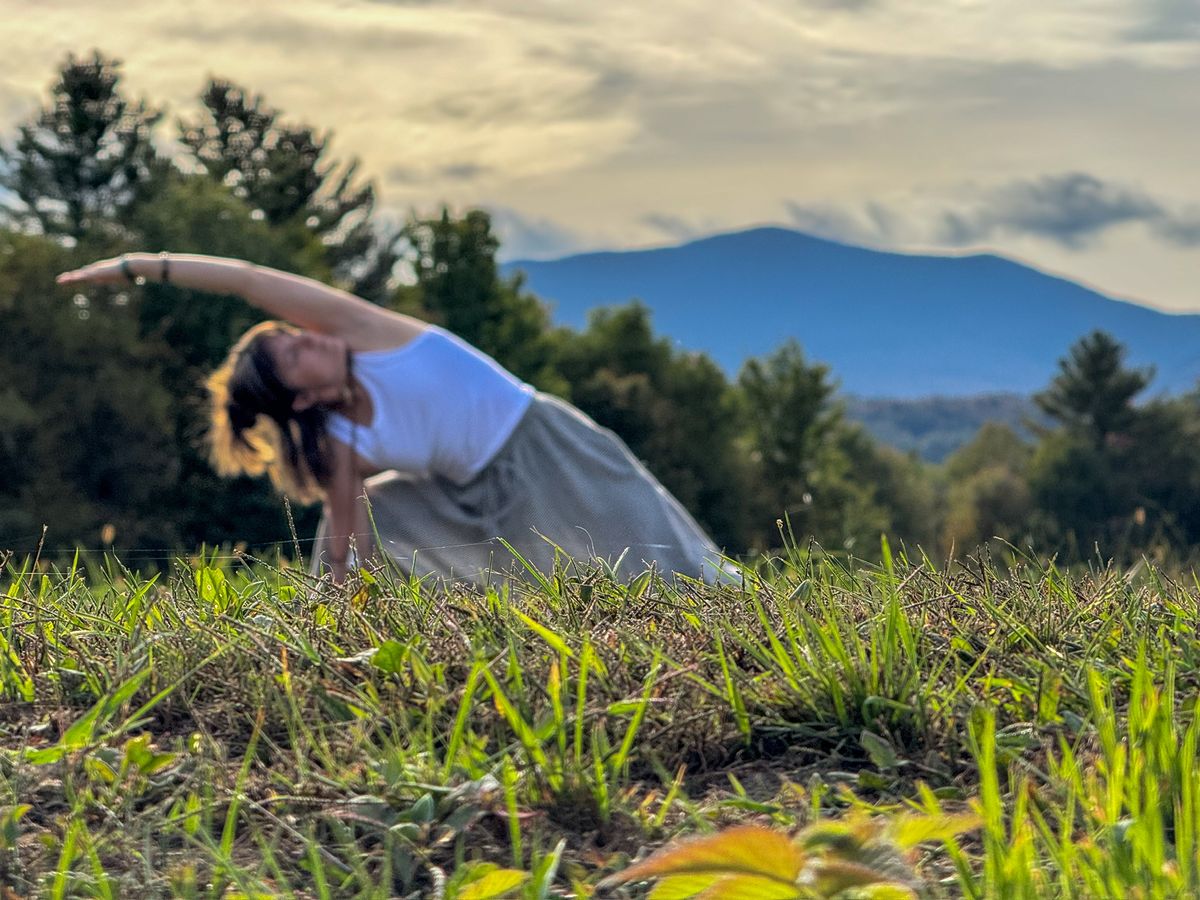
Asana - or posture, is a practice of settling into steadiness, of finding ease within form. Through a posture that is both stable and gentle, the body becomes grounded and the mind begins to soften. Asana invites balance rather than rigidity, presence rather than force. These shapes are not gymnastics or performance, but quiet conversations between breath, body, and awareness.
Over time, asanas have evolved to touch every muscle, nerve, and subtle system, cultivating a body that is strong yet supple, resilient without hardness. They refresh the body, ease fatigue, and calm the nervous system, creating space for vitality to flow. Yet their deeper purpose extends beyond physical health.
In practicing asana, the mind is trained alongside the body. Attention is refined. Distraction loosens its grip. Through repetition and care, the body becomes a trustworthy vessel, steady enough to hold stillness and open enough to carry intention. In this way, the yogi does not dominate the body, but listens to it, learns from it, and tends to it with respect.
Freed from unnecessary tension and inner noise, action becomes clearer. Practice becomes offering. Through asana, the yogi prepares the body not for display, but for service, surrendering effort and outcome alike to the wider world.
Pranayama:
Pranayama - is the control of the vital life force through breath regulation. It involves conscious attention to inhalation, retention, and exhalation. By controlling the breath, energy is directed throughout the body, supporting overall health and vitality. Pranayama practices help optimize the respiratory system, strengthen the lungs, and increase oxygen intake. They calm the nervous system and help relieve tension. Practicing pranayama also prepares the mind for deep meditation and sustained concentration.
Pratyahara, Dharana & Dhyana:
Pratyahara - is the withdrawal of the senses from external stimuli, allowing attention to turn inward.
Dharana - is concentration without interruption, the ability to hold the mind steadily on a single point of focus.
Dhyana - is meditation. Through the continued withdrawal of the senses and uninterrupted concentration, one enters a steady flow of awareness and becomes identified with the state of consciousness and the object of concentration. Dhyana is a practice of cultivating awareness, presence, and inner peace. Through focused attention or mindfulness, meditation helps quiet the mind, reduce stress, and support emotional well-being. It is a journey inward, offering space for reflection, clarity, and deeper connection with oneself.
Samadhi:
Samadhi - is the culmination of the yogi’s practice. In deep meditation, the body and senses rest as if asleep, while the mind stays fully awake and aware. Consciousness seems to fade, yet awareness remains clear and present. In this state, the yogi experiences effortless stillness, fully alert and at peace, beyond the usual limits of thought and perception. Samadhi is the integration of practice, where inner calm and outer life come together, and the self feels connected with all that is.
sthira sukham asanam
The posture should be steady and ease-full -sutra 2.46